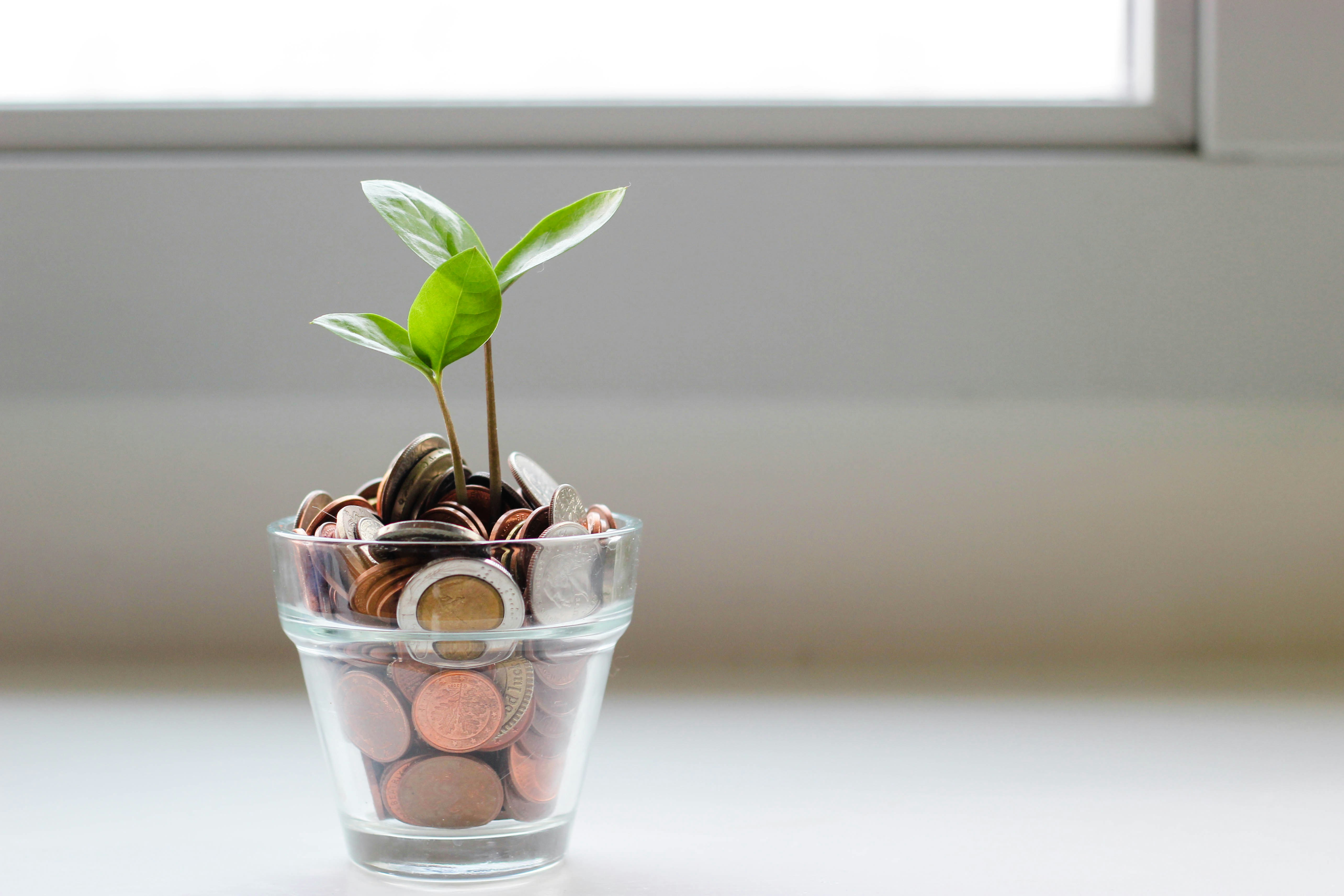
Most of us have some money just sitting in a checking or regular savings account, barely earning anything. Maybe it's your emergency fund, maybe it's cash you're saving up for something big, or maybe you just haven't gotten around to moving it. Whatever the reason, that money is probably working a lot harder for your bank than it is for you.
The good news is there are two solid options that can actually put your idle cash to work without you having to do anything complicated: high-yield savings accounts (HYSAs) and certificates of deposit (CDs). They're both low-risk, both pretty easy to open, and both pay you a lot more than the 0.01% you're probably getting right now. But they work quite differently, and picking the wrong one for your situation can be a bit of a headache.
Let's break down what each one actually is, and more importantly, figure out which makes sense for your money.
What's a High-Yield Savings Account?
A high-yield savings account is basically a regular savings account, except the interest rate is dramatically better. Traditional savings accounts at big banks often pay close to nothing. HYSAs, usually offered by online banks and credit unions, can pay 4% or more annually.
The best part? Your money stays completely accessible. You can move funds in and out whenever you want. There's no penalty for withdrawing, no commitment to keep your money there for any set amount of time. It works just like the savings account you already have, but with a much better return.
The catch — and it's a mild one — is that the rate is variable. That means the bank can lower it whenever they want, usually in response to what the Federal Reserve does with interest rates. If rates drop, your HYSA rate drops too. You don't always get a warning, and you can't lock anything in.
This makes HYSAs perfect for your emergency fund. Financial advisors typically recommend keeping three to six months of expenses somewhere you can get to fast, and a HYSA is ideal for that. It earns real money while it sits there, but you can pull it out the moment your car breaks down or you lose your job. Same goes for any short-term savings goal — a vacation fund, a new laptop, holiday gifts — anything you'll need within the next year or so.
What's a CD?
A certificate of deposit, or CD, is a slightly different deal. When you open one, you agree to leave your money with the bank for a fixed period of time — usually anywhere from six months to five years. In exchange, the bank gives you a guaranteed interest rate for that entire term.
That guarantee is the whole point. No matter what happens to interest rates in the economy, you'll earn exactly what was promised when you opened the CD. If rates drop to almost nothing next year, you're still sitting pretty at whatever rate you locked in.
The flip side is that your money is genuinely locked up. If you withdraw before the term ends, you'll typically pay an early withdrawal penalty, which can wipe out a chunk of the interest you've earned — sometimes more. So a CD only really makes sense when you know for certain that you won't need that money until the term is up.
CD terms can be as short as a few months or as long as five years. Generally, longer terms have historically offered higher rates as a reward for the longer commitment, though that's not always the case depending on where rates are heading.
Where Things Stand in 2026
We're in an interesting moment for savers. After a period of elevated interest rates, the Federal Reserve has been cautiously cutting rates, which means both HYSA and CD rates have come down a bit from their recent peaks. Still, compared to the near-zero environment of the early 2020s, savers are in a much better position than they were just a few years ago.
As of early 2026, competitive HYSAs are paying somewhere in the 4.0% to 4.5% range, while top CDs are offering similar or slightly higher rates depending on the term. One-year CDs from online banks tend to sit around 4.5% to 5%, while longer five-year CDs might be a touch lower if the market expects rates to keep falling.
That dynamic matters a lot for your decision. If you think rates are going to keep dropping over the next year or two, locking in a CD now could be a smart move. If you think rates will hold or go back up, a HYSA gives you the flexibility to benefit from any increases.
Of course, no one actually knows what rates will do. Which is why the simpler way to decide between them is just to think about when you'll need the money.
Need the money within the next six months, or not sure when you'll need it? HYSA, no question. The flexibility alone makes it worth it.
Know for sure you won't touch the money for a year or more? A CD is probably worth a look. Even a small rate advantage compounds nicely over 12 to 24 months, and the locked-in guarantee gives you peace of mind.
Some people do a little of both — keeping their emergency fund in a HYSA while putting any extra savings they won't need for a while into a CD. That's a perfectly reasonable strategy.
So Where Should Your Cash Actually Live?
Here's the simple version: use a high-yield savings account for money you might need on short notice, and use a CD for money you're setting aside for something specific in the future that you're confident you won't touch.
Your emergency fund belongs in a HYSA. Full stop. The whole point of that money is that it's there when life goes sideways, and a CD's early withdrawal penalty turns an emergency into a more expensive one.
But if you're saving up for a house down payment in two years, or you're sitting on cash you know you won't need until your kid starts college, a CD can squeeze a bit more out of that money with zero additional risk.
Neither of these is a revolutionary investment strategy. You're not going to get rich off a savings account or a CD. But you're also not going to lose money, and you're going to earn a whole lot more than you would by letting cash sit in your checking account doing nothing. Sometimes the smart financial move is just the obvious one you keep putting off.